“In every walk with nature one receives far more than he seeks.” – John Muir
Let’s talk about foraging! First of all, we are not professional foragers! We are learning! We are watching seminars via web from local enthusiasts to learn as much as we can. Researching our area via the internet, books we find at yard-sales and watching youtube videos. So, if you are interested in learning how to forage for food you need to educate yourself. Especially in your area. There are a lot of look a like plants that will make you severely ill or kill you. The other thing is do not rely on any apps for positive identification. I am not trying to defer you from foraging as it is very rewarding. That first wild salad in the spring is amazing.
Essential Tips for Beginner Foragers:
- 100% Identification Rule: If you cannot identify a plant with 100% certainty, do not eat it. Use multiple sources, such as books with clear photos, to confirm.
- Start with Easy Plants: Begin with common, easily identifiable plants that have no dangerous look-alikes. Good examples include dandelions, chickweed, plantain, clover, and stinging nettles.
- Learn One Plant at a Time: Rather than trying to learn everything at once, focus on mastering one new plant per month.
- Start in Your Backyard: You don’t need to go far. Your own yard, garden, or local park can be a great place to start, provided the area isn’t sprayed with pesticides.
- Follow Safety Rules:
- Avoid Contaminated Areas: Do not forage near busy roads, industrial sites, or in areas treated with chemicals.
- Wash Everything: Always thoroughly wash your foraged goods before eating.
- Try Small Amounts: When trying a new plant for the first time, consume a small amount to ensure you don’t have an allergy.
- Harvest Responsibly: Never take more than you need, and never pick more than 10-25% of a plant colony.
- Use Proper Tools: Carry a field guide, a small notebook, a bag or basket, and scissors or a pocket knife.
Safety and Preparation
- Go with an Expert: Find a local, knowledgeable guide to mentor you.
- Use Multiple Resources: Compare plants against photos, apps, and guidebooks.
- Use All Senses: Use sight, smell, and touch for identification, but never taste something to identify it.
- Inform Others: Let someone know where you are going.- Robin Greenfield
Sustainability and Ethics
- Leave No Trace: Leave the area better than you found it. Take only what you need and avoid overharvesting from one spot.
- Rule of Thumb: A common rule is to leave at least 90% of a plant patch for it to regenerate.
- Focus on Invasives: Target invasive species, which allows you to harvest freely while helping native ecosystems. – Northern Woodlands
As a common courtesy, we always ask permission before we venture into the landowner’s wooded area or their fields. On these properties, we found scapes, elderberries, bunchberries and crabapples. With the berries and crabapples, we make jelly.
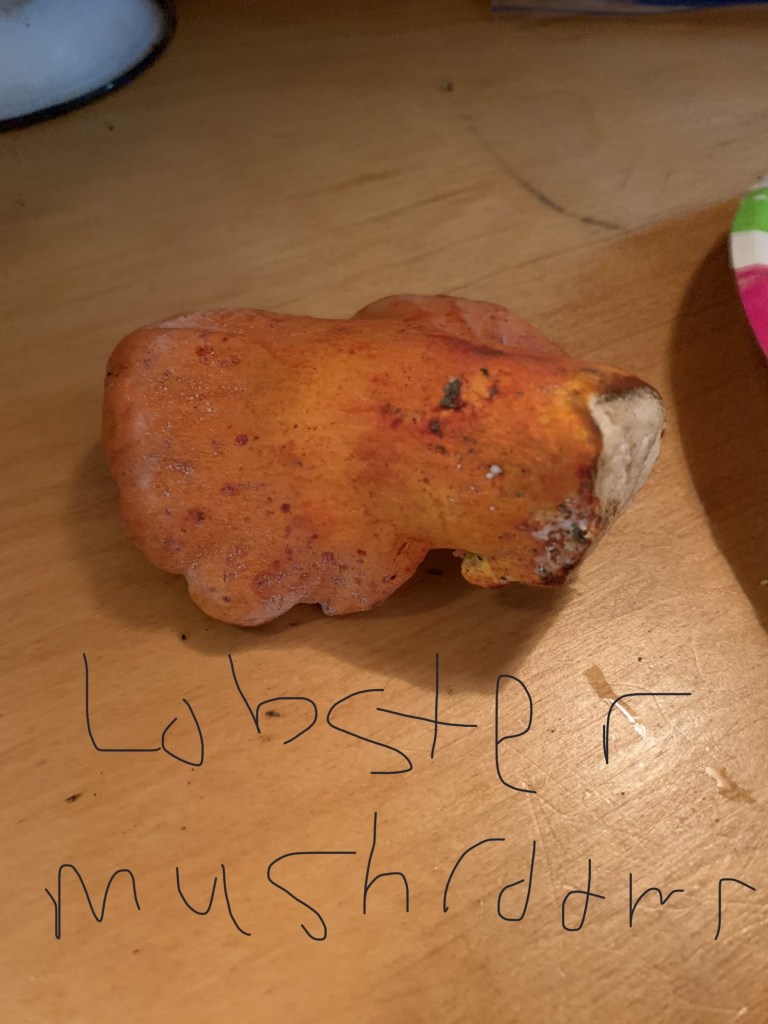
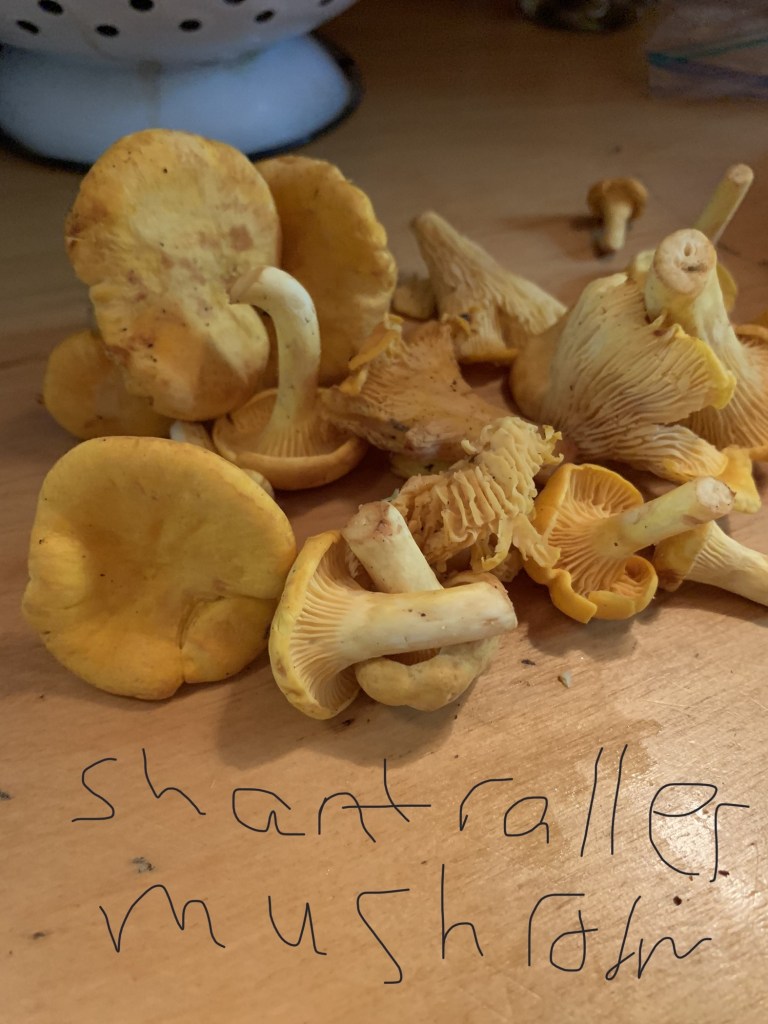
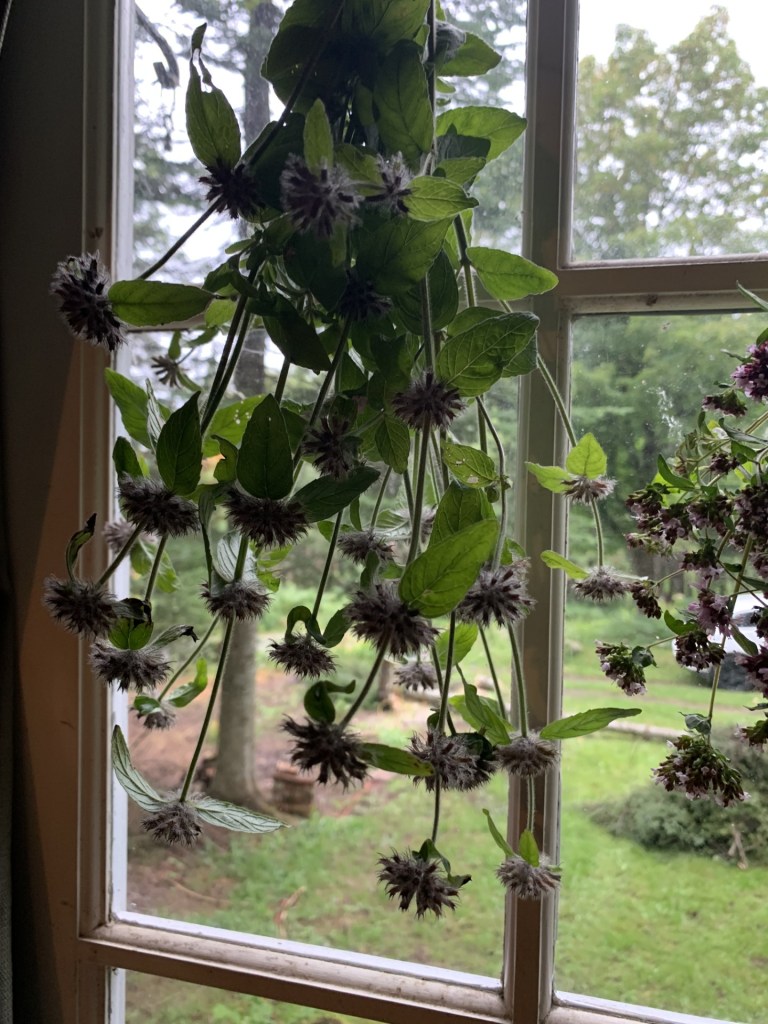
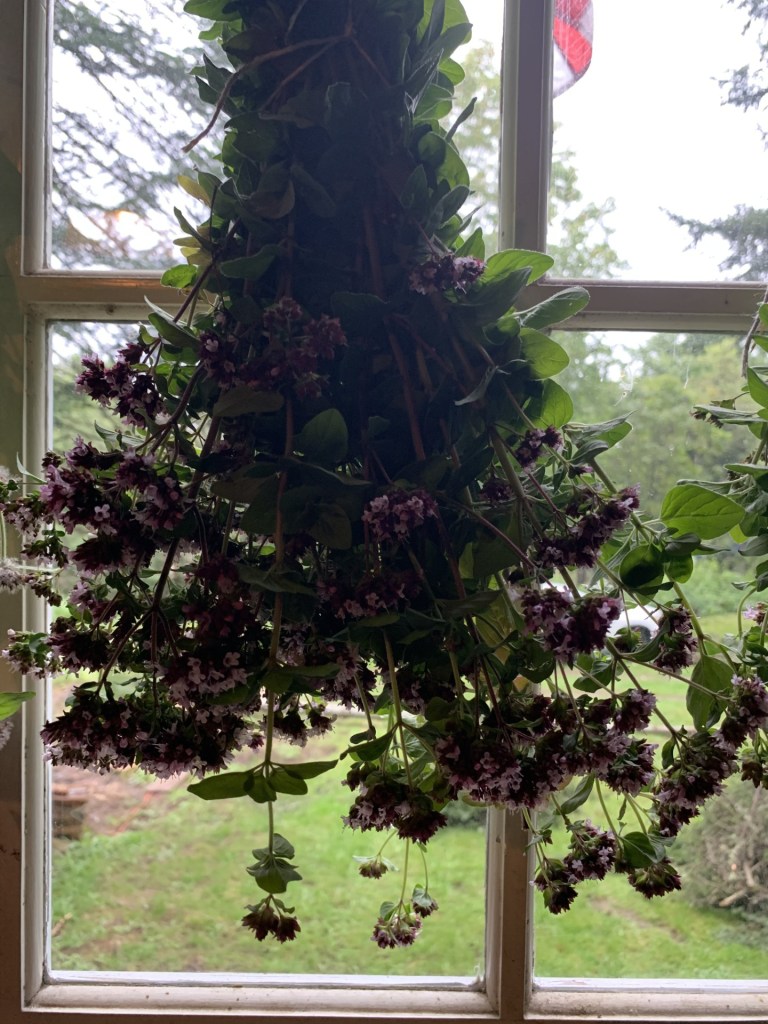
In our own back yard, we have been lucky enough to find oregano, chanterelle mushrooms, oyster mushrooms, dandelion greens and flowers, gooseberries, wild cranberries, crab apples, blueberries, pink and white clover flowers, spruce tips, and our favorite fiddleheads. These harvests brought us fresh salads, jellies and teas.
With mushrooms growing in the wild you MUST do your research!!! I know there are other types of mushrooms that can be harvested but at this point we only know oyster and chantrelle mushrooms, which we have found up where we are. An old tale I heard quite often with the field guides, it has been stated “every mushroom is edible but some you can only eat once”.
For us, it feels like we are more connected to our goal by foraging. We are eating nature’s food as it was intended. Growing organic in the wild, no pesticides, non-GMO, just fresh food at its peak. We are learning, we are growing and every day we are getting closer to our dream.
As always, stay positive, stay focused, and remember with challenge comes change and change is good!
“Consult a local expert; eat at your own risk”
 The Bacchus Homestead
Leave a comment